A century of power, independence and competing futures.
Imperial territories became independent states. Colonial subjects claimed citizenship. New alliances replaced old loyalties, and economic power moved across borders. The institutions built to organize those changes are still being tested.
Follow those transformations from the aftermath of the First World War to modern times: through the people who challenged power, the governments that claimed it, and the choices that changed what sovereignty could mean.
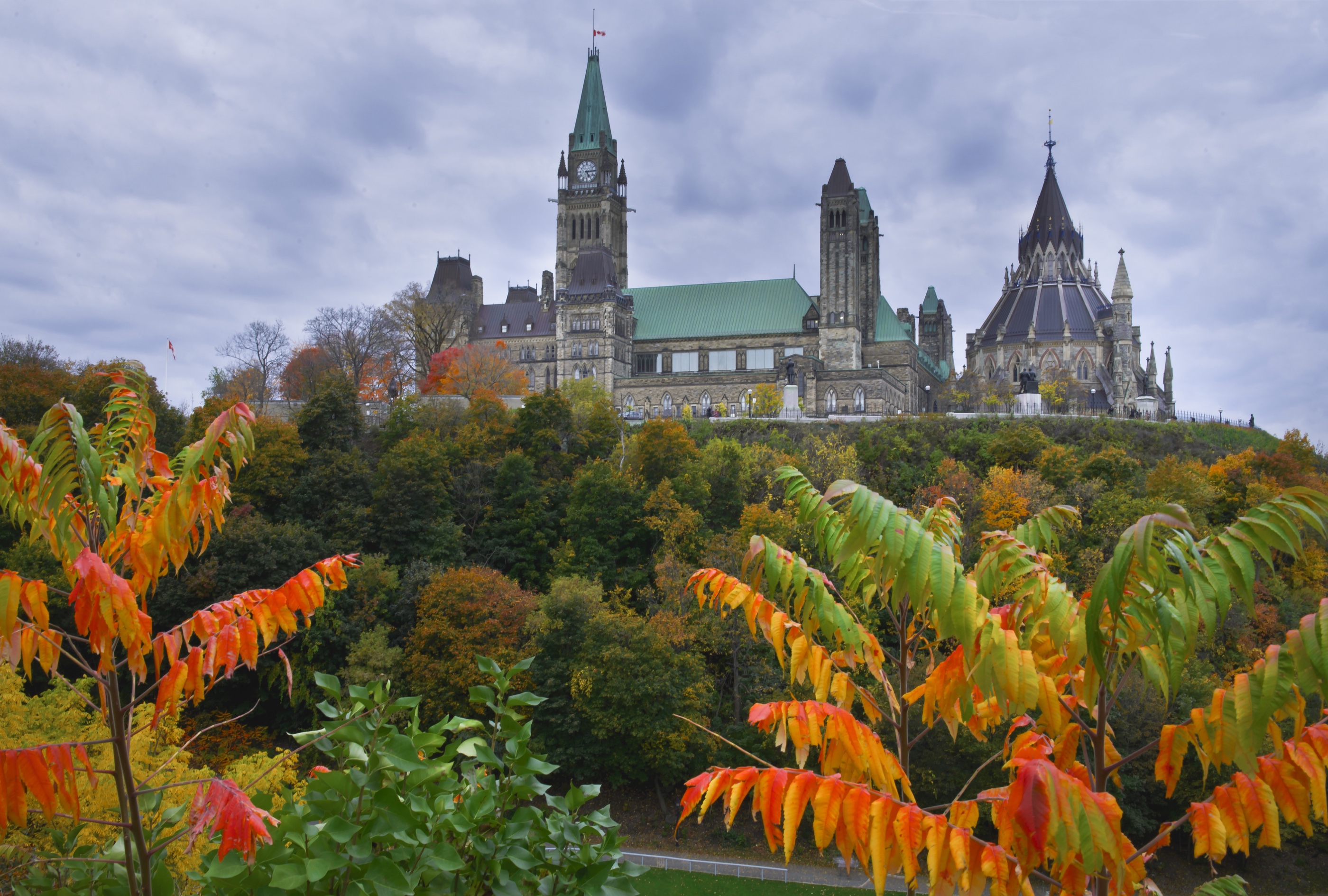
From a place at the Paris peace table to a constitution at home, Canada’s independence emerged through war, negotiation and arguments about whose country it should be.
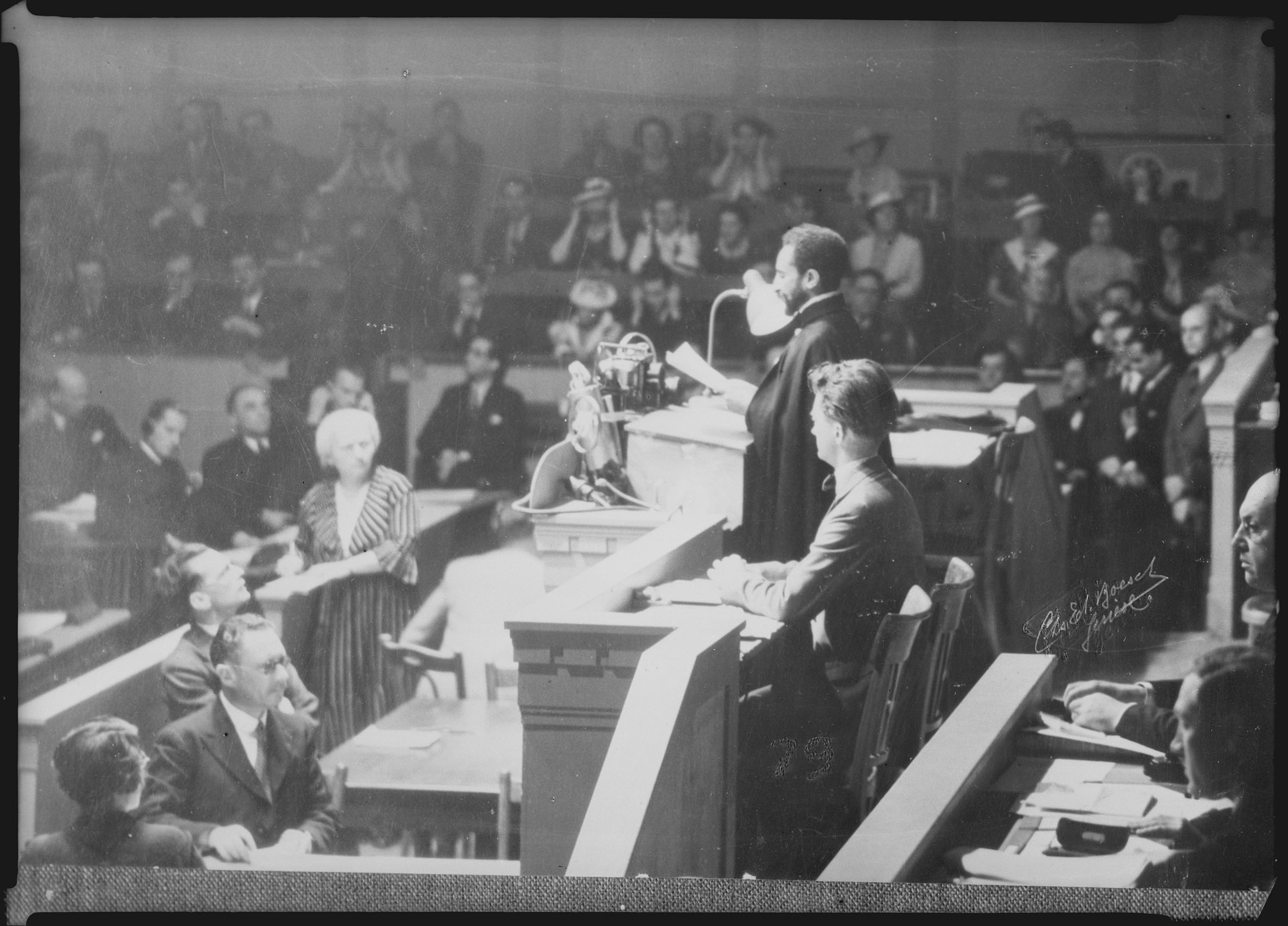
Ethiopia defended its independence abroad while confronting inequality, revolution and competing visions of nationhood at home, from 1918 to the present.
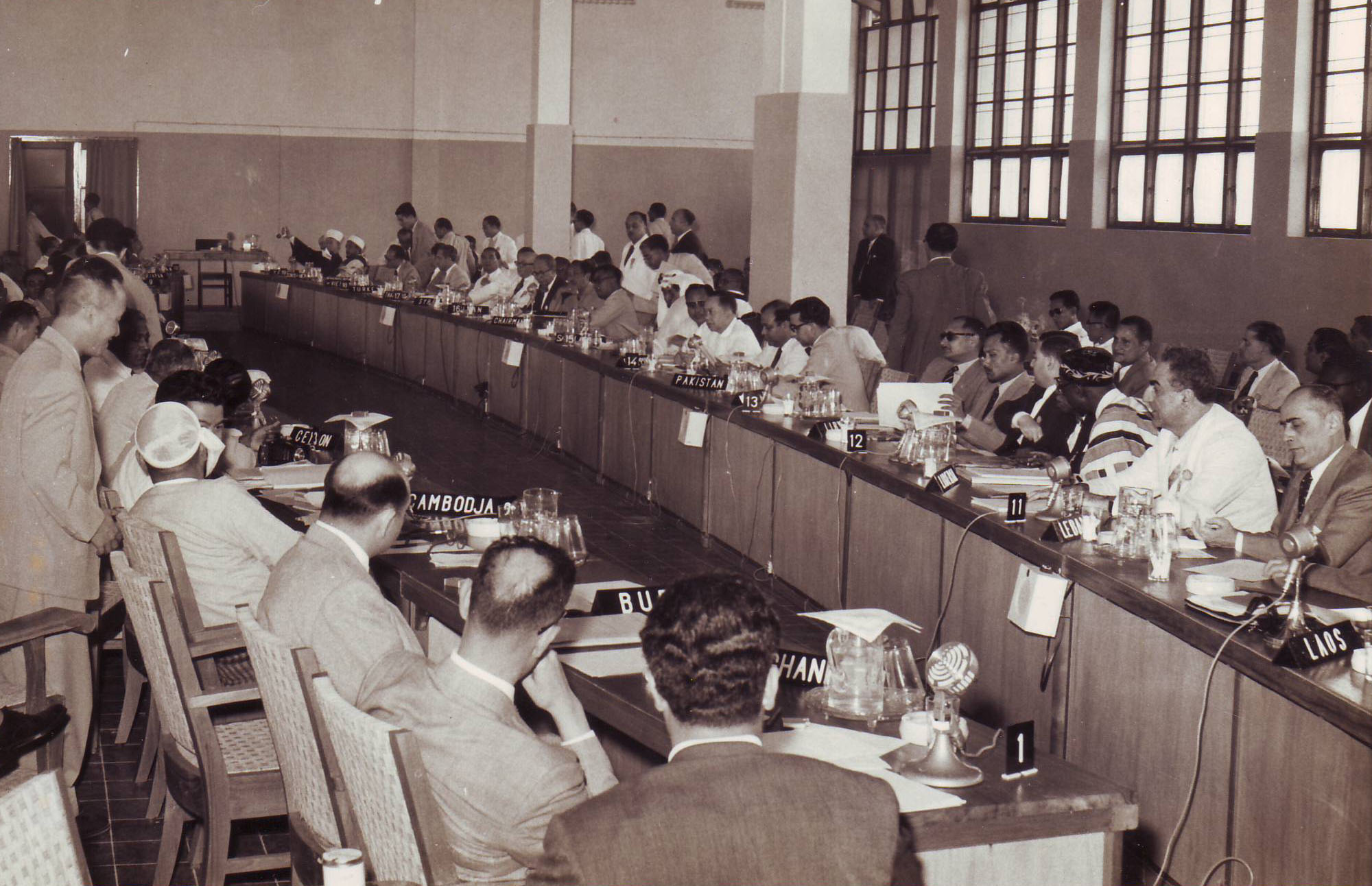
From Dutch rule and revolutionary independence to Bandung, dictatorship and democracy: Indonesia’s struggle to decide who governs, who belongs and what freedom means.
These articles connect the interwar world to the present without treating later events as inevitable. Independence, democracy and international cooperation were made through struggle and negotiation. Their meaning—and their limits—changed along the way.