A thematic collection · 1918–1939
Society and the Modern World
Who could make themselves heard in public life?
The interwar world was remade in streets, workplaces and public gatherings as well as at negotiating tables. Participation in a strike or independence movement could challenge assumptions about who belonged in politics, who could speak for a community and whose demands a government had to hear.
The selected essays approach these questions through Egyptian mass mobilization, organized labour in Britain, the confrontation between colonial authority and civilians at Amritsar, and the general strike and rural rebellion in Palestine. They connect social experience to political power while preserving the differences between a labour dispute, an independence movement and colonial repression.
Participation did not always bring equal influence within a movement or equal rights after it succeeded. Women could sustain a campaign while being excluded from its leadership; workers and rural communities could support national demands while pursuing their own social priorities. These differences help explain both the reach and the limits of collective action.
Read across the stories
A suggested reading sequence
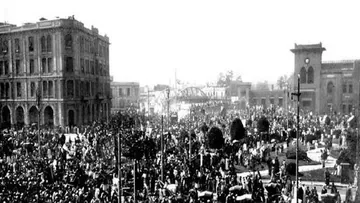
Egypt's Forgotten Revolution: The Independence Britain Resisted
Follow the participation of women, students, workers and peasants in a movement that crossed established social boundaries.
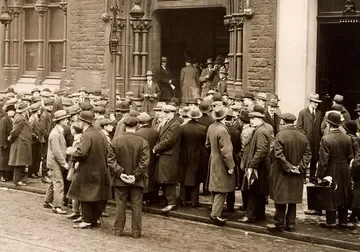
Read on LeafletNine Days That Shook Britain: The General Strike of 1926
Compare collective action in Britain: solidarity, the press, emergency powers and competing claims to speak for the nation.
Read on LeafletAmritsar: The Massacre That Shook the British Empire
Consider the human consequences when colonial authority treated a civilian gathering as a threat to its rule.
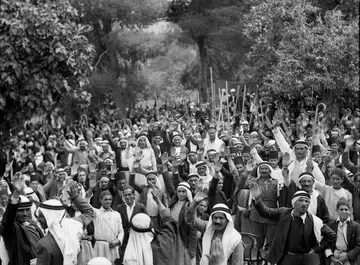
Read on LeafletPalestine Under the Mandate: The Great Arab Revolt
Follow a general strike into rural rebellion, tracing the roles of workers, women and village communities, and the civilian costs of counterinsurgency and communal violence.
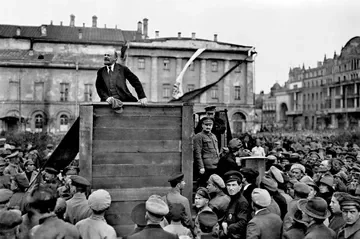
Read on LeafletThe Revolution That Survived: Russia’s Civil Wars and the Birth of the Soviet Union
Consider how revolution and civil wars transformed promises of emancipation into institutions of centralized party rule.
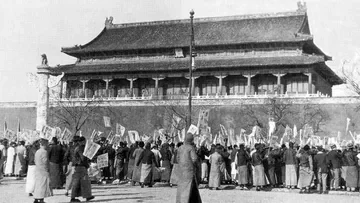
Read on LeafletChina Refuses the Peace: The May Fourth Movement and the Struggle for Sovereignty
Connect the May Fourth protests with vernacular literature, student activism and demands for women’s autonomy.
Read on Leaflet1919: The Year the World Refused to Obey
Connect student, labour and nationalist mobilization across several societies in 1919.
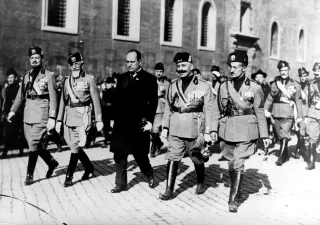
Read on LeafletHow Fascism Entered Government: Mussolini and the Destruction of Italian Democracy
Follow the attacks on unions, cooperatives and independent political life that turned Fascist intimidation into everyday state authority.
Read on Leaflet

The New World Order · 1918 to the present
Follow the longer history
India’s Unfinished Freedom
Follow anti-colonial resistance into independence, Partition and continuing arguments about rights and national belonging.
Read on The World RecastPoland: Independence Won, Lost, and Reclaimed
Consider women’s political rights, industrial labour, religious institutions, cultural dissent and the uneven social effects of economic transformation.
Read on The World Recast
Place these stories in time
Return to the events behind this collection, with sources and links to the longer stories.