A thematic collection · 1918–1939
The Search for International Order
Could international agreements restrain the powerful?
After the First World War, governments sought to stabilize a world of altered borders, new states and surviving empires. Treaties and international institutions offered ways to manage disputes, but agreement on principles did not settle whose claims would be protected or who would bear the cost of enforcing them.
This collection moves from the breakup of an empire to negotiated limits on naval competition, the crises in Manchuria and Ethiopia, and the contradictions of mandatory rule in Palestine. The agreements deserve attention for what they achieved as well as where they failed. Read across these cases to ask how national ambitions, imperial interests and unequal power shaped the possibilities of international order.
International order was made through choices about enforcement as well as the wording of treaties. A government could support a principle yet refuse the military or economic commitments needed to defend it. Comparing the cases reveals how cooperation, imperial advantage and national security could pull policy in different directions.
Read across the stories
A suggested reading sequence
The Empire That Disappeared: The Collapse of Austria-Hungary
Start with the new states and unresolved questions of borders and belonging left by an empire’s collapse.
Read on LeafletParis, 1919: Who Had the Right to Decide the World’s Future?
Examine how the Paris settlement distributed authority, recognized some claims to sovereignty and excluded others.
Read on LeafletThe Conference That Tried to Prevent the Next Naval Arms Race
Examine a substantial attempt to limit armaments through negotiation, alongside its unequal assumptions and unresolved tensions.
Read on LeafletThe Chanak Crisis: When Canada Questioned Britain's Call to Arms
See how a regional confrontation exposed uncertainty about imperial commitments and the authority to enter a war.
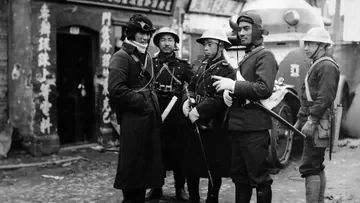
Read on LeafletManchuria: The Invasion That Challenged the League of Nations
Ask what international investigation and condemnation could accomplish when an aggressor refused to withdraw.
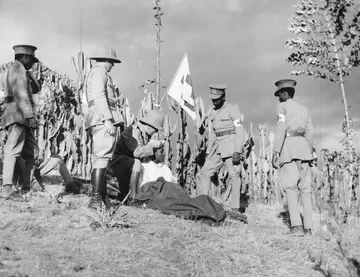
Read on LeafletEthiopia Stands Alone: Mussolini’s Invasion and the Failure of Collective Security
Compare the League’s response to another invasion and the gap between collective security and its members’ policies.
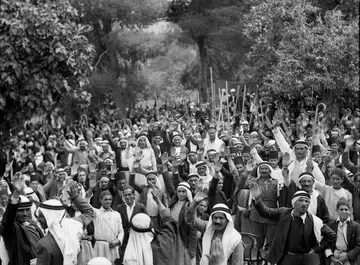
Read on LeafletPalestine Under the Mandate: The Great Arab Revolt
Consider how the League mandate framework, British policy and rival national aspirations produced a constitutional impasse, with partition and shared government still contested alternatives.
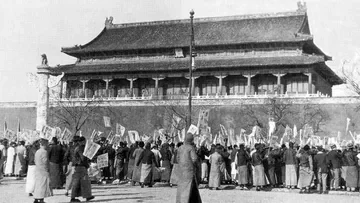
Read on LeafletChina Refuses the Peace: The May Fourth Movement and the Struggle for Sovereignty
Follow Chinese resistance to the Shandong settlement and the unequal application of national self-determination.
Read on LeafletThe Empire That Survived by Changing Its Rules
Explore how equal Dominion status changed imperial diplomacy, treaty powers and decisions about war.
Read on Leaflet1919: The Year the World Refused to Obey
Examine the gap between promises of self-determination and the settlement negotiated in Paris.
Read on LeafletFrom Sultan to Republic: How Turkey Overturned the Postwar Settlement
Compare the Treaty of Sèvres with the negotiated settlement at Lausanne after nationalist victory.
Read on Leaflet
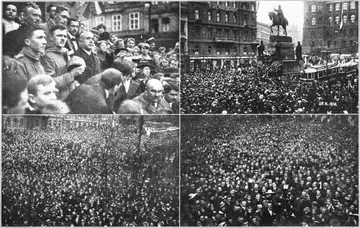
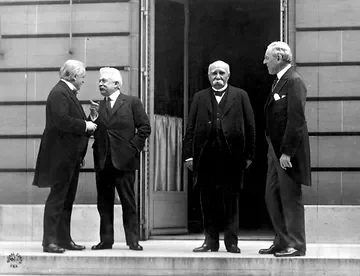
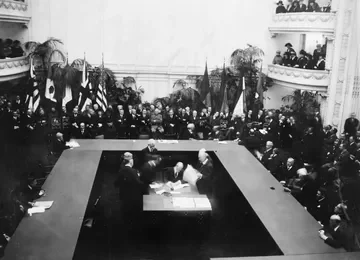
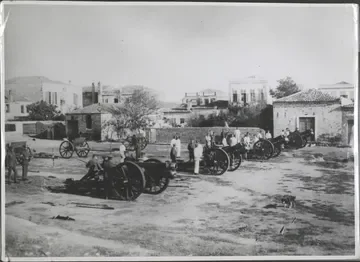
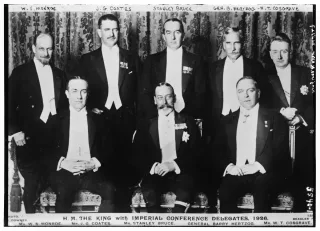
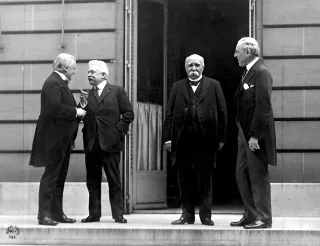
The New World Order · 1918 to the present
Follow the longer history
Canada’s Long Independence
Follow Dominion autonomy, constitutional change and the uneven meaning of citizenship from the interwar years to the present.
Read on The World RecastFrom the Ottoman Heartland to Türkiye
Follow imperial collapse into republican institutions and later struggles over participation and national identity.
Read on The World RecastEthiopia: Independence and Revolution
Follow the defence of Ethiopian sovereignty into restoration, revolution and competing visions of political belonging.
Read on The World RecastIndonesia: From Colonial Possession to a Nation of Its Own
Explore Bandung, independent diplomacy and Indonesia’s effort to give Asian and African countries a stronger voice in world affairs.
Read on The World RecastPoland: Independence Won, Lost, and Reclaimed
Follow Poland from the Paris settlement through the wartime division of Europe to membership in NATO and the European Union.
Read on The World Recast
Place these stories in time
Return to the events behind this collection, with sources and links to the longer stories.